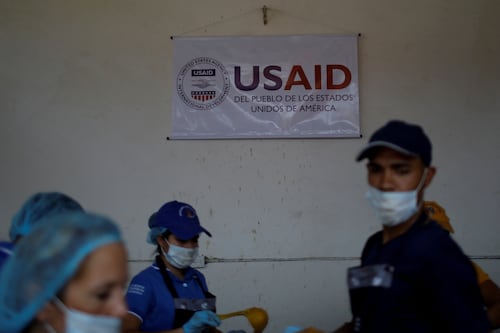
The United States Agency for International Development (USAID) has long been a pivotal institution in channeling taxpayer dollars to non-governmental organizations (NGOs) worldwide. While these partnerships aim to promote global development and humanitarian efforts, recent developments have prompted a closer examination of how government funding influences NGO operations and the implications for both domestic and international policies.
USAID’s Role in Funding NGOs
Established in 1961, USAID’s mission encompasses promoting democratic values and improving global living conditions. A significant component of this mission involves collaborating with NGOs to implement various programs, ranging from health initiatives to economic development projects. Historically, USAID has committed substantial funding to support NGOs, recognizing their capacity to address local needs effectively. For instance, through the Cooperative Development Program, USAID has bolstered cooperative organizations that contribute to development efforts.
Recent Developments and Funding Suspensions
In early 2025, the Trump administration, under the guidance of the Department of Government Efficiency (DOGE) led by Elon Musk, initiated significant changes within USAID. These actions included suspending foreign aid payments and restructuring the agency, leading to a halt in funding for numerous NGOs. This abrupt suspension has had immediate and profound effects on organizations that rely heavily on USAID support.
For example, in Colombia, the cessation of U.S. aid threatens the survival of NGOs engaged in anti-drug initiatives, human rights advocacy, and territorial transformation projects. In 2024, the U.S. provided approximately 70% of humanitarian aid to Colombia, amounting to over $330 million. The sudden funding freeze jeopardizes ongoing projects, particularly in conflict-prone regions like Catatumbo.
Similarly, in Uganda, the LGBTQ community faces heightened anxiety following the suspension of U.S. aid. Organizations such as the Africa Queer Network, which depend on USAID funding, have had to halt operations, leading to concerns about increased vulnerability and a resurgence of health issues among marginalized populations.
Implications of Government-Funded NGOs
The reliance of NGOs on government funding, particularly from USAID, raises several critical considerations:
- Autonomy and Influence: While government funding enables NGOs to undertake large-scale projects, it may also lead to concerns about the independence of these organizations. Critics argue that reliance on government funds could result in NGOs aligning their agendas with governmental priorities, potentially compromising their ability to advocate independently.
- Sustainability: The recent funding suspensions highlight the vulnerability of NGOs that depend heavily on government grants. Sudden policy shifts can disrupt operations, leading to project delays, layoffs, and the discontinuation of essential services.
- Accountability and Transparency: The flow of taxpayer dollars to NGOs necessitates robust oversight to ensure funds are used effectively and align with public interests. Instances of mismanagement or misalignment with donor objectives can erode public trust in both the NGOs and the funding agencies.
Global Reactions and Calls for Transparency
Internationally, the funding of NGOs by U.S. agencies like USAID has sparked debates about transparency and sovereignty. For instance, Hungarian Prime Minister Viktor Orban has called for the disclosure of U.S. funding to NGOs and media within Hungary, expressing concerns about foreign influence on domestic affairs.
Conclusion
The relationship between USAID and NGOs underscores the complex interplay between government funding and non-governmental operations. While such partnerships have historically facilitated significant advancements in global development, recent events highlight the need for NGOs to diversify their funding sources to maintain autonomy and ensure sustainability. Moreover, both USAID and its partner organizations must prioritize transparency and accountability to uphold public trust and effectively serve their intended beneficiaries.