The intricate relationship between political campaign financing and governance has long been a subject of scrutiny. Politicians often receive substantial contributions from various industries, leading to concerns about potential biases in their decision-making processes. A pertinent example is the pharmaceutical industry’s financial support to lawmakers, which raises questions about the impartiality of their governance, especially when their decisions directly impact the industry.
Campaign Contributions and Potential Conflicts of Interest
During election cycles, candidates receive donations from multiple sources, including individuals, Political Action Committees (PACs), and industry groups. These contributions are intended to support candidates who align with the donors’ interests. However, when elected officials receive significant funding from industries they are tasked with regulating, it can lead to perceived or actual conflicts of interest.
The pharmaceutical industry, known for its substantial lobbying efforts, contributes to numerous political campaigns. According to data from OpenSecrets, during the 2019-2020 election cycle, Senator Bernie Sanders received approximately $1.4 million, and Senator Elizabeth Warren received about $822,000 from individuals and PACs associated with pharmaceuticals and health products.
The Case of Robert F. Kennedy Jr.’s Nomination
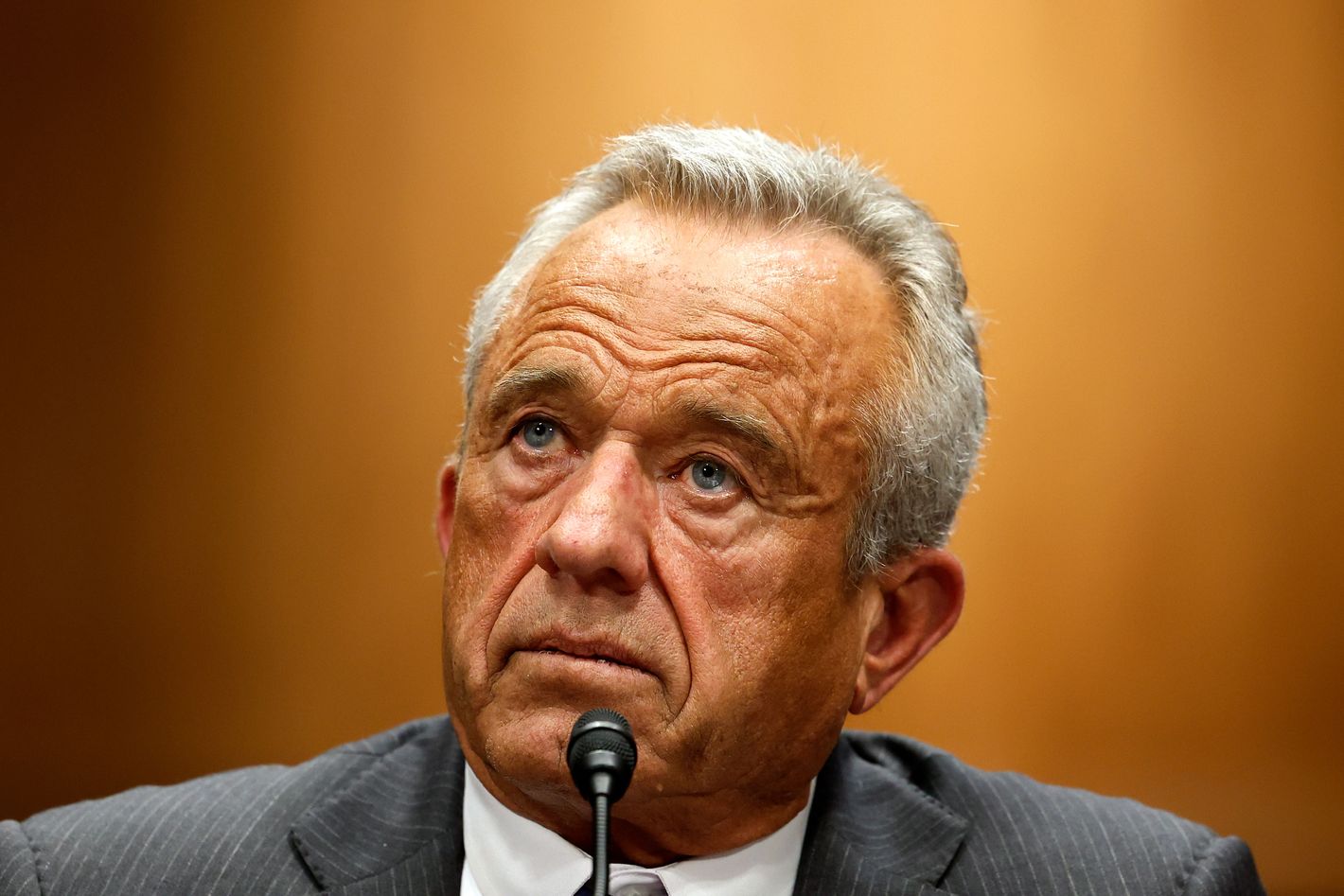
The nomination of Robert F. Kennedy Jr. for the position of Secretary of Health and Human Services (HHS) brought these concerns to the forefront. Kennedy, known for his controversial views on vaccines, faced opposition from several lawmakers, including Senators Sanders and Warren. During his confirmation hearings, both senators questioned Kennedy’s past statements and potential conflicts of interest.
Senator Sanders highlighted Kennedy’s financial gains from anti-vaccine advocacy, pointing out that his organization sold merchandise promoting anti-vaccine sentiments. Sanders emphasized the importance of public health officials not profiting from positions that could influence health policies.
Senator Warren expressed concerns about Kennedy’s financial ties to lawsuits against pharmaceutical companies. She questioned whether Kennedy would continue to receive compensation from such lawsuits if confirmed and urged him to commit to avoiding any financial gains that could present conflicts of interest during and after his tenure.
Implications for Governance
The scrutiny of Senators Sanders and Warren towards Kennedy underscores the broader issue of how campaign contributions from industries like pharmaceuticals can influence governance. While both senators have been vocal critics of the pharmaceutical industry, their receipt of substantial campaign contributions from the same sector raises questions about the potential for bias.
It’s essential to note that contributions from industry-related individuals and PACs do not necessarily equate to direct influence or corruption. Many politicians receive donations from a wide array of sources, and ethical guidelines are in place to prevent undue influence. However, the perception of bias can erode public trust in governmental decisions, especially when officials are involved in regulating industries from which they have received significant support.
The Taxpayer’s Perspective
From the taxpayer’s viewpoint, the expectation is that elected officials will act in the public’s best interest, free from external influences. When politicians receive substantial contributions from specific industries, it can lead to skepticism about their ability to govern impartially. This skepticism is heightened when officials are responsible for regulating the very industries that have supported their campaigns.
The case of Senators Sanders and Warren’s opposition to Kennedy’s nomination illustrates the complex dynamics between campaign financing and governance. While their concerns about Kennedy’s potential conflicts of interest are valid, their own financial ties to the pharmaceutical industry highlight the challenges in maintaining public trust.
Conclusion
The relationship between political campaign contributions and governance is complex and multifaceted. While contributions are a legitimate part of the political process, they can lead to perceptions of bias, especially when elected officials are tasked with regulating industries from which they have received support. To maintain public trust, it’s crucial for politicians to be transparent about their financial ties and to implement robust safeguards against potential conflicts of interest. Ultimately, elected officials must prioritize the interests of the taxpayers they serve, ensuring that their decisions are guided by the public good rather than external influences.